comment 1

Stepping into Fear

Today was the third and final day of a workshop titled Executive Director 101, an excellent training from the folks at Compass Point, focused on building the leadership and management skills of non-profit Executive Directors, folks who’ve been in the position anywhere from a few weeks to a few years.

There were many pros for me attending the workshop, including:

  1. Although participants came from all over the country to attend (Seattle, Montana, Wisconsin, etc) the commute for me couldn’t have been easier. Two mornings I walked the two miles from my house, and on Tuesday I took a 10-minute bus ride.
  2. It was a chance to learn a comprehensive set of skills, approaches and frameworks relevant to my role as Executive Director (ED), including strategic decision-making, organizational sustainability, management and leadership, funding and governance, all from a great organization (Compass Point) that has been doing nonprofit research and capacity building for more than four decades.
  3. It was a chance to share stories, network and learn from felllow EDs. It’s a unique and peculiar role, and it’s hard to overstate how helpful it is to connect with others in the position. I think many of us expereinced moments of relief the past few days as we realized that some of our most pernicious challenges are common ones, not necessarily a result of our own defects or lack of effort.

But most importantly, for me the workshop offered the opportunity to do something which I believe is important but which certainly isn’t easy … to directly face and engage with things that scare me. And boy, there are a lot of work-related things that scare me. Have we made the right budget estimates for this year? Will we beable to raise the funds we need to hire staff and execute our programmatic work? Who will we hire and how will we find them? Am I communicating enough with the board? Am I taking care of all the legal & financial obligations our 501(c)3 status necessitates? And so on and so forth, the list of items to fear and worry about is potentially endless.

Here’s what isn’t helpful: pretending the fears don’t exist and thereby ignoring the aspects of my workload that scare me.

Here’s another thing that’s not helpful: thinking only about the things that scare me, getting caught up in worry loops & losing sight of all the things Dd is doing well.

So, this week’s ED 101 workshop offered me the opportunity to find the middle path, and face my hears in the context of getting help and support.

As was recently emphasized in a great (& free!) online seminar offered by the excellent folks at Coaching for Social Change, taking small, sweet steps is important to addressing the inevitable monkey mind that comes up when we try to do something big and important in the world. For people committed to social justice work, remembering this is really important. The problems we’re working to address didn’t spring up overnight, so it’s important to find ways to continue the work over the long haul. The change I’m working for is long-term, generational change.

I’m grateful for Compass Point’s approach this week, which emphasized working from a place of our strengths (rather than deficits), and giving us ideas, resources and frameworks to help us learn best practices, adapt these to the values and contexts of our organizations, and focus on the small, attainable steps we can take to increase our impact in the world.

comment 0

How did I get here?

Pt. 7/31 in the Moon Cycle blog series.

How did I get here, to this moment, this breath? This movement of fingers on the keyboard, this sitting in a chair in a room I can call my own, in a house I share, in a city I love but am still getting to know? How did I get to this moment of writing, of posting a blog? It’s such a simple question, five words, nothing fancy, no complex construction. And yet the answering of it could take a lifetime. My lived answer has, quite literally, taken my lifetime. A meta-analysis could go on indefinitely. I find it so interesting that any particular topic, no matter how seemingly discreet, could expand to fill as large a space as we might create for it. In this case, I’ve set a timer for 25 minutes. 22 minutes remain; long though the inquiry could be, I’ll keep this one to a shorter reckoning.

What are the details of my life today? How do they this differ from a year ago, two years ago, three years ago, four? For better or worse my adult life seems to have included many transitions, large and small. Reflecting on this narrative, I found myself pondering the question – how did I get here? – this evening as I walked home after a full day’s work in downtown Oakland. Exactly one year ago I was in a very different place. I was living in upstate New York, in the Hudson River Valley, in a shared cottage. I had left New York City a few months before. Although I didn’t anticipate moving back to Brooklyn any time soon, I otherwise had no sense of where I would be landing within the year. At the time I had only loosely contemplated living in California, and had no firm plans to move here. Perhaps partly because the move happened so quickly, and was not something I had planned for years and years, in many ways living here has felt like a dream, like my life here is being dreamt up by some grander entity as I move through space and time.

How did I get here? Let me illustrate how challenging it can be to attempt a comprehensive answer to the question. The other evening I went to dinner with friends who live in a co-housing community in my neighborhood. How was it that we became friends? She and I first met at a conference in Aspen, Colorado, in 2011, when we both still lived in Brooklyn, New York. As she said the other night, who would have guessed at the time that, years later, we’d be neighbors in Oakland, sharing casual meals and walks to the park together?

How did I get to Aspen? In January of that year, I spoke to an audience of scientists at American Academy for the Advancement of Science (AAAS) on the occasion of the 1-year anniversary of the Haiti Earthquake. I gave an impassioned speech about supporting Haitian-led efforts to rebuild their country, and leveraging technology to support human rights. An audience member was inspired and recommended me as a speaker to the head of the Aspen Ideas Festival, who was planning a section on social media that year.

How did I get to AAAS to speak on a panel on January 12, 2011? Already this is getting complicated. It was surely due to work Digital Democracy was doing in Haiti post-earthquake. But how did that happen? Well, let’s see, partly because of a connection we had to grad students from the Fletcher School at Tufts University, which was thanks to a friend I met at a conference in South Africa in 2008, which was thanks to research that Mark and I did in Southeast Asia in 2007, which happened in part due to a trip I took to Thailand in 2003, which I took because of activism I got involved with in college, and so on and so on, back and further back still I can trace the motions and links and connections that have been forged over the course of a lifetime.

So, here I am. A moment in time, temporarily and misleadingly frozen against a backdrop of shimmering connections, loose and strong ties that bind, ongoing evolutions that led me to this moment. I don’t have some grand theory about it all, I don’t know whether there’s a moral to the story, but as a question to contemplate, how did I get here? provokes rich meditation.

comment 0

The Gift of the Day (poem)

Pt. 6/31 in the Moon Cycle blog series.

Today was a full day; I attended the first of 3 days of Executive Director management training, then I made dinner and spent time with my housemates. As such, I’m turning in for the evening full of good information but ready for sleep’s sweet slumber. As such, here is a poem for today, one of my favorites, by Pablo Neruda.

Bird

      It was passed from one bird to another,
the whole gift of the day.
The day went from flute to flute,
went dressed in vegetation,
in flights which opened a tunnel
through the wind would pass
to where birds were breaking open
the dense blue air –
and there, night came in.
When I returned from so many journeys,
I stayed suspended and green
between sun and geography –
I saw how wings worked,
how perfumes are transmitted
by feathery telegraph,
and from above I saw the path,
the springs and the roof tiles,
the fishermen at their trades,
the trousers of the foam;
I saw it all from my green sky.
I had no more alphabet
than the swallows in their courses,
the tiny, shining water
of the small bird on fire
which dances out of the pollen.
Pablo Neruda


comment 0

How is Your Heart? My guest column for On Being

Pt. 5/31 in the Moon Cycle blog series.

This week, I had the pleasure of penning a guest column for On Being, the Peabody-Award-Winning radio show & website which explores the central questions of what it means to be human & how we choose to live. Hosted by the ever thoughtful Krista Tippett, recent shows have featured Buddhist monk Thich Nhat Han, my friends & role models Parker Palmer & Courtney Martin in conversation live at PopTech (a show I had the pleasure to attend in person), and one of my favorite poets, Mary Oliver, in a rare conversation with Krista. I’m bewildered by how much beauty, insight, wisdom and compassion awaits one’s ears at the end of the hyperlinks in the last sentence.

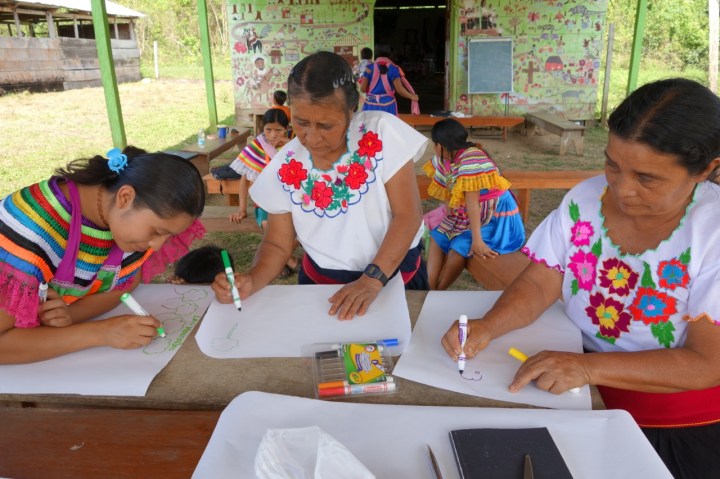
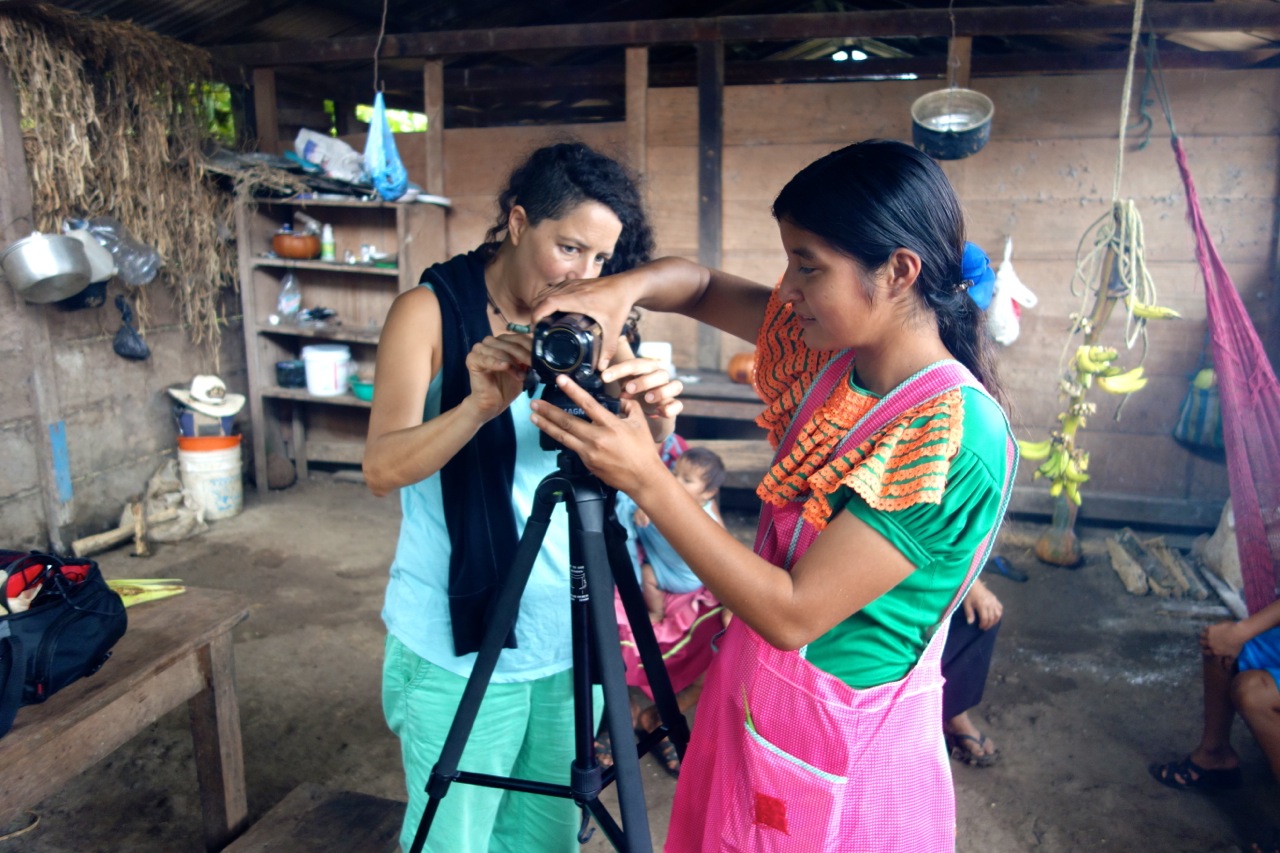
My column was a reflection on a social convention that I sometimes struggle with, and a different way of asking “how are you” that I learned from the Mayan communities I’ve worked with in Chiapas through Digital Democracy. I invite you to read the column, and share your thoughts.

chiapasworkshop

Today’s moon status: Waxing crescent, 21.4% illuminated. Visible beginning in the early evening.

comment 0

A sunny walk

Pt. 4/31 in the Moon Cycle blog series.

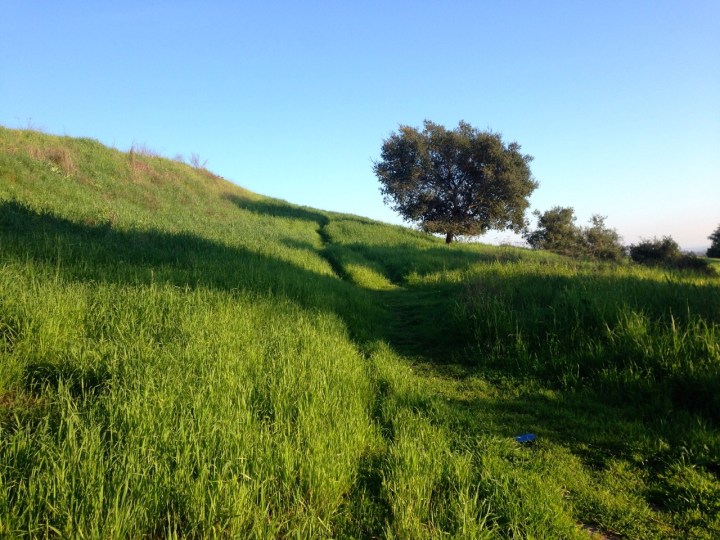
Today I took a long walk with a new friend from my house in Oakland to nearby Mountain View Cemetery. We walked past the masoleum, the Jewish graveyard, the pepper tree and so many headstones, to the very top of the hill with views of the entire Bay as the sun set over a wall of clouds coming in from the Pacific.

Today’s moon status: Waxing crescent, 12.3% illuminated.

comment 0

Brooklyn Community Bail Fund – A Brilliant Response to an Unjust System

Pt. 3/31 in the Moon Cycle blog series.

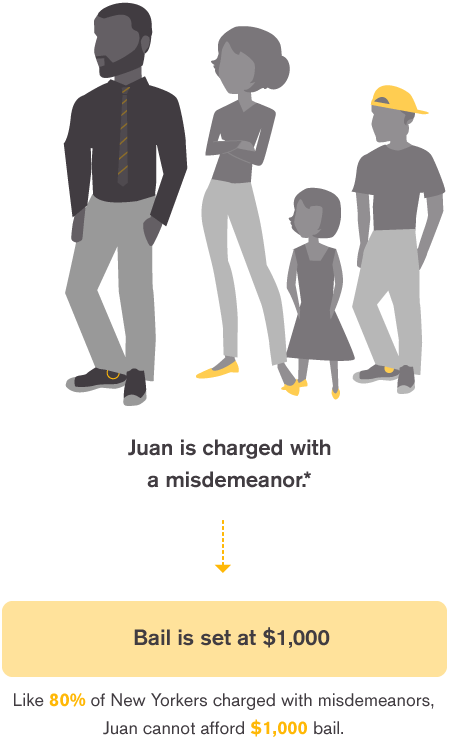
This evening the moon is a beautiful thin crescent in the sky, but I’m thinking about something else that is shining light in a dark area. My friend and wonderful human Scott Hechinger, who works as a public defender in Brooklyn, has launched a new side project, the Brooklyn Community Bail Fund. The concept is simple, targeted, and an incredibly smart approach to address a flaw in our legal system that further entrenches people in poverty and leads innocent people to plead guilty to crimes they didn’t commit.

How so? The website explains the approach better than I can, but here it is in a nutshell:

  • Bail is required as part of our legal system primarily to ensure that defendants return to court when charged with a crime. The money is returned to the defendant after the trial.
  • Unfortunately, for many people living in poverty, (who also are the people most likely to be stopped, unlawfully searched, etc) bail of even $500 or $1000 is too much to pay. Faced with paying bail or spending multiple days in jail separated from family/away from their jobs, it leads many to plead guilty, effectively stripping them of their right to a fair trial.

Although we should advocate for a more just legal system overall, families living in poverty can’t wait only for larger structural shifts to take place. The Brooklyn Community Bail Fund is stepping in to address that need, by providing funds for people to post bail so that they can return to their jobs and families in order to access a fair trial. (Note – the awesome folks at Bronx Defenders also have a similar fund going.) The best part is that, once seeded, the fund is self-sustaining – when money is returned after a trial, it goes back into the fund to support the next person in need. I think this is one of the most inspiring parts of this initiative – any money that is donated will be used indefinitely to support people in need. Like the folks from Strike Debt/Rolling Jubilee who have used $700,000 in donations to abolish almost $15million in debts, the Brooklyn Community Bail Fund is a simple yet powerful concept, a donation that will keep giving and giving and giving.

Check out the below video, then hop on over to www.brooklynbailfund.org to learn more and support their work!

Video produced by my wonderful friends at New-Media Advocacy Project.

Today’s moon: Waxing crescent, 3.5% illuminated, in close proximity to Venus & Mars.

comment 0

Happy Lunar New Year: Welcoming the Wood Goat

Pt. 2/31 in the Moon Cycle blog series.

Today the Lunar/Chinese New Year is being celebrated with festivities and fireworks across the world. With yesterday’s new moon the year of the horse galloped to an end, and we are now entering the year of the wood goat (or blue female sheep, depending on who you ask).  What does that mean?  According to Chinese traditions, a yin wood goat yea is a time of renewal and maturation. Although the wood goat is a young kid, the energy of this time represents both the innocence of a young child and the power to move mountains. From a pamphlet printed by Da Yuan Circle,

Unlike the rascally pony of 2014, we can expect compromise and dedication to harmony from the Goat year – no innovation for the sake of innovation.

This innocence offers a tremendous potential for new thoughts, compromise, new alliances and release from oppression. Can you make it happen? In Chinese astrology, the Wood Goat is only potential – will you contribute to the peace and harmony it suggests? Will you make the world a more balanced, fair and beautiful place?

The message of the Wood Goat in 2015 is to wake up from the trance of entertainment (commercial TV, cable news, internet social networks) … In 2015 Heaven and Earth (cycles) give us the chance to get our humanity back – but it is up to you. Will you accept the gift? It calls us to remember our humanity and perseveringly give every sentient being a chance to learn and grow.

Whether or not the Chinese New Year speaks to you culturally, moments like this give us a chance to pause, celebrate life and take a look at the bigger picture. The lunar new year also provides an opportunity  to check in with the intentions, goals and “resolutions” we set at the beginning of January. How are those going for you? Are you finding momentum in the areas you were seeking? In spaces where you are struggling, what kind of support might you call upon? What does the wood goat tell us as February slides into March? Perhaps to remember that playfulness, openness and group collaboration can go a long way.

As I was contemplating my own types of goat energy – including the devoted, mountain climbing variety and the playful one that values harmonious interrelating – I was reminded of this video of goats balancing on a bendy tin roof.  They may get knocked down, but they effortlessly find their way back up, achieving equilibrium through movement, flowing with the tao.

PS – In researching this post I discovered the wonderful rabbit hole of youtube videos of baby goats turning dogs into jungle gyms (which reminded me of my brother Sam’s glorious hound Roscoe).  HT my housemate Orion for sharing Da Yuan’s Wood Goat literature, Alia McKee‘s inspiring FB post yesterday on “Neutral Day” before the Buddhist new year and every goat I’ve ever come across who’s made me squeal with glee at the glory of being alive.

Today’s moon status: Waxing crescent, 1.5% illuminated.

comments 3

Moon Cycle: A 31-Day Blogging Project

I see the moon and the moon sees me.

God bless the moon, and God bless me.

– Nursery rhyme

Life is a series of rhythms, happening on different scales. The cycle of breath – inhale, exhale. The cycle of the day – the sun rises, the sun sets. We awaken, we rise, we are active, we go to sleep, we dream. The cycle repeats itself. Awake, asleep. Growing, fading. Birth, death. The cycle of the seasons, from cold to wet to hot to dry to cold again. And on and on.

One cycle which always mystified and mesmerized me as a child was the cycle of the moon. I remember paying attention to the moon in the sky long before I learned about her phases in grade school science. Even now, I find there is so much more to learn about the moon and her rhythms, and my own connection to them.

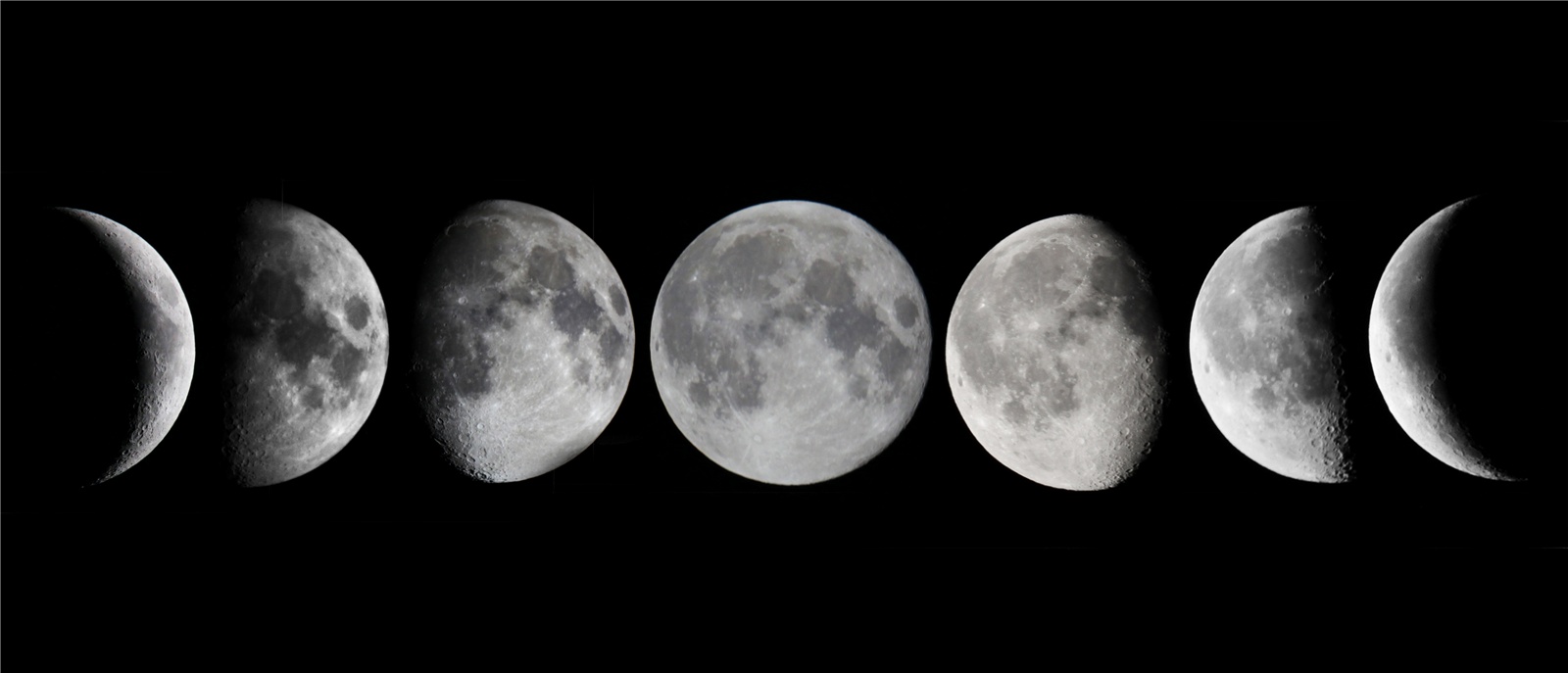
It so happens that I was thinking about the upcoming new moon – which occurred today, February 18 at 3:57pm PST (and the upcoming moon cycle – which takes us from February 18th to March 20th, when a solar eclipse will occur on the same day as the vernal equinox in the northern hemisphere) – at the same time I was contemplating a promise I made to a friend to commence a 30-day blogging challenge. Both he and I have the intention of writing more, and he suggested we could support one another in these efforts. I had planned to start this week, upon my return from a trip to Peru with Digital Democracy. But what day should I begin? Ah, the day of the new moon. Just as the light will grow in the sky as the moon waxes towards full, I will devote a part of my day to creating a piece of writing, drawing, photo or poem to share on this blog. By linking this project to the cycle of the moon, I hope to honor the greater rhythms running around and through me. By paying attention to the moon as it waxes and wanes, to the sun as its rays lengthen towards springtime, I hope too to shed light on my own creative process, to honor the greater beauty and wisdom that also flow around and through me.

Any good project needs clear guidelines and boundaries; here are mine:

  • I will post one thing every day, whether a few words or many.
  • I will pay attention to the moon phase at the time of each posting, but won’t limit myself to lunar subject matter.
  • I will experiment with form and function, allowing myself to be playful with the creative process.
  • I will write about whatever feels most ripe and relevant on a particular day. It may be about work, it may be about food, about bodies, about nature, about an interesting book I read, about a piece of music that inspired me. I’ll write about what feels alive and what moves me.
  • I will set a timer for 30 minutes and attempt to post within that time. If I feel energetic I will allow myself a little longer on some days, but the goal of this project is to get in the flow of easy posting without focusing on perfection of craftmanship.

And, so it begins. Now I’m going to go dance to celebrate the new moon. It is an auspicious time – the Chinese New Year begins shortly, today was Ash Wednesday and the beginning of Lent in the Catholic Tradition, and this is the last lunar cycle that will bring us to the Equinox, the return of spring and the lengthening of sunshine in our days. It’s a time that reminds me of the joy of being alive. It’s a good time for me to write, and share with you, dear readers, wherever you may be.

Wishing you a poignant new moon,

Emily


Phases of the moon

comment 0

On Thanksgiving, #BlackLivesMatter, and what it means to be an “American”

(This is a personal post. It’s about my  journey to make sense of a few particular aspects of the world around me. I’ve thought long and hard about what I could say that might be of value to the much larger conversation about race that is happening in the US. I’m not sure what the right answer is, but my hunch is that speaking honestly about my own experiences is a good place to start.)

—-

I’m 6 years old, walking along the brick path to my grandmother’s front porch. It’s Thanksgiving day, 1989, and wind is whistling through the cornfields. I’m wearing a paper pilgrim costume I colored at school. My cousin is wearing an Indian feather headdress and vest made of a paper bag. I have a vague sense that his is the better outfit, but I’m not sure why. I roughly understand that our outfits represent some historical gathering of two kinds of people. We’re celebrating this, right?

I’m 16. I can’t say I fully know what happened to the pilgrims and Indians, but I’m pretty sure it didn’t end so well for the Indians. I see pictures of my younger self in the hand-colored pilgrim costume. I feel filled with shame.

I’m 20 and I don’t want to celebrate Thanksgiving. Give thanks for genocide? How messed up is that? I take the train to my aunt’s house in Petersburg, Virginia. Nearby, there are civil war reenactments – I try not to think too much about what is being reenacted, or why. I love my aunt, and I know she cares about social justice. I make vegetarian stuffing and try not to think about genocide. My cousin is serving as a marine in Iraq. I did my part as one of so many student activists – I tried to stop the war. It wasn’t enough. I don’t want my cousin to die, but I don’t believe the war is just.

I’m 16, and I’m studying AP US History. I like my teacher but sometimes the subject matter just makes me so mad. I act out by writing a flippant paper using Disney song lyrics to criticize – and trivialize – historical events at the time of the Revolution. I don’t know how to express the deeper despair I feel to be a heir to a legacy that encoded some people (slaves) as not fully human into the Constitution. I don’t want to pretend anymore that what’s important is whether or not I pass this class. We get our papers graded. I get a B- and a weary look of disapproval from Mr. Hasty.

I’m 4 and I attend a nearby preschool while my mom teaches high schoolers during the day. My best friend is named Margoleila and she has hair that poofs out between her ponytail holders. The student body is very diverse at the preschool but I don’t know that yet. I mostly tell people apart by the sounds of their voices, contours of their smiles and caliber of their laughter. Skin color is vaguely like hair color to me – a spectrum I don’t yet have names for. I go to her house for her fifth birthday; her family is loud and boisterous and loving and I feel warm in her living room. I am sad when we go to different elementary schools for 1st grade.

I’m in 7th grade and I learn that, through circumstances or fate, Margoleila and I are now attending at the same middle school, both having moved into a new school district. At first I’m thrilled – destiny! I’m reunited with my early childhood best friend! But it’s not the same. Like a bucket of ice, I’m chilled by the realization Margoleila is black, and I am not. To be “black” means something, to be “white” means something, and all I feel is a tragic sense of loss. I have other black friends at Belzer Middle School, but she and I never quite manage the transition.

I’m 19 and I’m walking down a side street in northwest Washington, DC, next to my college boyfriend. We’re 30 feet away from a larger thoroughfare when sirens begin going off. I quicken my pace toward Wisconsin Ave to see what’s going on. I turn and realize Jordan is half a block behind me. Confused, I turn back and ask him what’s happening. “White people are crazy! We were taught not to head *towards* trouble. When we hear police sirens we run the other way.” I’d never even considered that.

I’m 8. I’m 9. I’m 10. How does a child even begin to make sense of what it means to live on land that was stolen, to benefit from an economic system that depended on slaves? What does it mean to grow up in “Indiana” but not know any Indians? In 4th grade I transfer to a magnet school called Indian Creek. My teacher’s breath smells like stale cigarettes. I squirm when she looks at my work over my shoulder.

Jordan isn’t actually “black” anywhere but the color of his hair. His skin is more like medium-dark chocolate. It’s beautiful. His father is white. His mother’s ancestors were slaves, so some of their sires were white, too. But we live in a country that doesn’t see color on a spectrum. For the two of us, there are only two categories – white and black. It’s no use pretending otherwise.

In high school, every morning, we are supposed to recite the Pledge of Allegiance. A television in every classrooms shows footage of a waving flag.  “I pledge allegiance, to the flag, of the United States of America, and the republic for which it stands, one nation under God, indivisible, with liberty and justice for all.” I experiment with relatively tame forms of resistance. Sometimes I omit “under God.” Sometimes I mouth the words. Sometimes I refuse to stand up at all. This pledge doesn’t sit well with me. I don’t buy that there’s truly liberty and justice for all. In my heart, I do not pledge to this flag.

I’m 19 and I’m traveling on an alternative winter break trip with college classmates. There’s another Emily on the trip, and I like her a lot. She’s 100% Navajo, and she’s smart and funny and brave. I’ve never met a Native American before. She tells me how tired she is of being the “token Indian” in all her classes. I listen and empathize, and silently promise myself to try to never tokenize someone else. I secretly fear I do it all the time.

I’m 10 and my parents move into a new neighborhood. It’s beautiful, tree-lined, filled with creeks and woods and places to play. All the properties have names. It’s Indianapolis, so my middle class parents can afford a house with 4 bedrooms and a big yard. I love it here! I play for hours in the wood and pretend there are fairies and goblins. In my explorations I find old ruins. I’m 12 and I go spelunking in the archives for the neighborhood history, founded more than 100 years ago as an estate 15 miles north of downtown. Some facts fill me with pride – like when the 9-hole golf course was turned into a Victory Garden during World War II.

I’m 14, and I learn from my mom that there was a black family considering buying one of the houses in the neighborhood, and they decided not to because the neighborhood association still has rules (though not legally enforceable) against non-whites buying property. “Why don’t they change it?!” I ask, certain that this can be easily fixed. She explains that it’s not easy to change the neighborhood bylaws, people are arguing that it’s too hard, or that it sets a bad precedent for changing other rules in the neighborhood, especially since those rules are negated anyway. I tell my mom this is wrong, but I can’t yet fully articulate why. Later, I realize why it bothers me so much. The people in power – in this case the neighborhood association – are quite literally saying that honoring the legacy of a racist and unjust system is more important than making the neighborhood safe and inclusive for all families.

The black family moves away. Nobody seems to think this is a big deal. Inside, I feel rage.

I’m 15 and I feel full of despair. I  wonder – were things better during the Depression? I mean, I know people were hungry, and there was hardship, but maybe people took better care of each other? Maybe families had more time to be with each other? I look around at relative economic “privilege” at my high school, but the kids who get BMWs on their 16th birthdays don’t appear to be that happy at the end of the day.

I’m 31 and I’m agonizing over a Facebook status update that I am writing but I will not post. I don’t know how to use my words to bridge the gap between the worlds I straddle.

Jordan tells me how his mom always jokes that she can’t find his dad in the crowd because “white people all look the same.” I feel hurt – I don’t look the same as other white people! It takes me an embarrassingly long time – months? – to get that he isn’t insulting me, he’s pointing out how painful and dehumanizing it is when people say things like “black people all look the same.”

Really, I’m no more “white” than Jordan is “black.” My skin is a sort of light peach/tan, and my cheeks get rosy when I run or drink a glass of wine. My hair is straight and I sunburn easily. My ancestors weren’t “white” because that wasn’t a thing in Europe 500 years ago. They were Irish and Scottish and German, and perhaps some Jews that later converted to Christianity. I like to think they were forced to convert to Christianity to save their lives. My capacity for an active imagination and desire to align myself with the oppressed goes to comical depths. I’m 31 and I’m still working to untangle it, even as I get better at laughing at myself.

I’m in the 7th grade and the OJ Simpson verdict is announced on the television stations in the lunchroom cafeteria. Half the room erupts in cheers, the other half decries it. I don’t have an opinion, but I’m aware something big is happening. It’s not til years later that I make sense of what was happening, why the verdict was interpreted in such radically different ways depending on one’s point of view.

In 4th grade, students learn Indiana history. Here’s what’s emphasized:
– the geological, archeological, meteorological and agricultural origins of the state
– Indiana’s role as a northern state in the great battle to end slavery
– all the brave Hoosiers who served as important stops on the underground railroad
– Indiana is the crossroads of america
Here’s what’s not emphasized:
– what happened to the people who originally lived here
– how doctors in Indianapolis were leaders in the eugenics movement of the early 20th century, pioneering the practice of compulsory sterilization of undesirable poor families
– the tens of thousands of Hoosiers who participated in Klan activity in the 1920s
– how the interstate highway system that gave Indiana its nickname cut apart poor black neighborhoods and facilitated white flight to the suburbs
I know, I know – some of these ideas are easier to explain to 4th graders than others. Some of these ideas don’t sit very well.

I’m 30 and I’m staying up late at night reading articles about reclaiming white indigenous roots. I allow myself to acknowledge the thrill of excitement I feel to learn I am not the only one who thinks about this. I’m thinking more and more about what it means to embrace a culture that was lost, when my ancestors traded cultural and spiritual identity for the privilege of being “white”. But I don’t quite know where to begin.

I’m 17 years old and I’ve fallen in love with Kurt Vonnegut’s writing. Like my dad, he comes from a German family who settled on the east side of the Indianapolis. He writes at the beginning of Slaughterhouse-Five that writing a book against war is as futile as writing a book against glaciers, but he’s going to do it anyway. Now here’s something I can believe in. In another of his novels, he writes of a privileged white woman that she was “a traitor to her class.” I know at that moment that that’s what I want to be – a traitor to my class, my race, to all the privilege I was born into but never asked for, anyway.

I’m 21 and I’m studying abroad in Mali, West Africa. Perhaps now, for the first time, I will know what it feels like to truly be in the minority. There are days when, not attending school with my fellow study abroad students, I don’t see a single other white person. I feel conspicuous, to be sure. Some kids call me “toubabu” on the street. But I quickly realize I can deflect calls by engaging with the kids, I’m treated kindly by strangers, and welcomed heartily into the neighborhood. It doesn’t take long for me to recognize that being white in West Africa does nothing to tell me what it might be like to be black in the United States.

I’m 19, and it’s the one-year anniversary of the 9/11 attacks. I’m taking a course on the poetry of witness. It affirms my proclivity for paying attention to the dark and difficult aspects of human relations, yet makes me wonder if I can quite survive the heartache. I go for a run in the woods near my school, and I stop and sit on a log, sobbing. So many deaths. So many massacres. So many genocides. Will it ever end?

I’m 31 and I’m reading reactions to the ongoing situation in Ferguson, Missouri, the death of a young black man and the non-indictment of the police officer who killed him. I am filled with so many strong emotions. I have so much I want to say and so little certainty of what I should say. I read the words of friends and family and I don’t know whether to focus on amplifying the words of those with whom I agree, or finding some way to start genuine dialogue with others whose reactions scare me. What I most want to do seems the most difficult – how do I find a way to connect with my family members who don’t believe that the justice system is fundamentally unjust? For folks who see young black men through the dark lens of their own projections?

How can I – with the utmost compassion and love – find a way to reveal to those who cannot quite face it that everything about American history has set up a system of white supremacy, which is really just a fancy term for the idea that so-called “white” peoples’ lives matter more? Because I am convinced that this is a not simply a case of a missing rational conversation, or getting people on the same page with “the facts.” As citizens of the United States we cannot yet have a rational conversation about “the facts” because we have yet to fully reckon with or heal from a history so dark and cruel that it is easier to deny the humanity of others or pretend that no discrimination still exists. These are fantasies, and they are powerful ones.

I’m 31 years old, and I’m back in Indiana. It’s Thanksgiving Day, 2014. I do feel grateful for so many things, people and places in my life, not to mention the larger ecosystem, the planet, the stars, the sun, the moon, the universe. I feel grateful for all I have learned about the world, and all the ways I am growing. I am grateful to be connected to the growing movement of people working to raise their voices to affirm that #blacklivesmatter across the United States. I’m grateful for indigenous activists and their allies across the United States and Canada who are working to protect the land from new oil drilling, pipelines, mining and deforestation. I’m grateful that today I’ll get to spend time with my grandmother, aunts, brothers and cousins. But I also don’t want to pretend anymore. I don’t want to pretend that this country belonged to the people who look like me who settled it a couple hundred years ago. I don’t want to pretend that it wasn’t built on the backs of Africans shipped across the ocean, murdered, abused and raped. I don’t want to pretend that actions like that don’t have consequences that ripple down through the generations, and still affect us today. Those realities have shaped us, our institutions, and the land itself. Truly, there is so much work for us to do. I don’t think it’s easy and I don’t think it comes quick, because the challenges we’re dealing with were centuries in the brewing. But I do think we can find meaning in the process, and facilitate healing as we work with some of the trickiest, most challenging and thorniest aspects of what it means to be American and engage in the giving of thanks.

comment 0

Ways of Seeing: Foraging for New Sources of Nourishment

A few hours walk through Central Park has forever changed the way I see the world around me.

Sounds dramatic, I know. But there is no other way to describe the shift that has taken place between how I perceived the world before the walk and now.

Let me explain. Take a typical road trip – say you’re traveling up the Taconic Parkway from Manhattan to the Hudson River Valley. On a typical July day, if you were a passenger like I was last weekend, you might look outside your car window, appreciating the green of the trees, the whites, soft reds, warm yellows and bright oranges of the flowers growing wild along the roadside. Say you idled, briefly, at a rest stop, to take a smoke break, eat a snack or walk your dog. Your eyes would have briefly registered the greens of the weeds growing alongside the parking lot. If you were particularly observant you might have noticed some of the delicate shapes of their leaves or seedpods, glanced at the clover and wonder if there were any lucky four-leaves. Had you walked a little ways into the woods, your shirt might have caught on some brambles, and if you knew what to look for you, you then might have found some perfectly right black raspberries, waiting for you to pick, eat and savor. But all in all, if you were like me before my Central Park experience, the drive would have been mostly a visually-pleasing journey, with perhaps a few wild berries as a treat.

Last Saturday I drove up the Taconic, but it was following a 4-hour tour of Central Park, foraging for wild foods as guided by “Wildman” Steve Brill, a wild foods enthusiast who has been guiding the curious and uninitiated – like me – for more than 30 years. And while I expected to have fun, learn a few things, and gather some food, I had no idea how dramatically he would shift my very perceptions of the world around me. In teaching our group to observe the plants around us, name their characteristics and discern which parts are edible, which are delicious, which are dangerous and which to discard, he provided a new framework for me to interact with the world.

Let’s return to the Taconic Parkway. I had just learned that careful discernment along the edges of the park, amidst the wood, in the weedy patches, could lead to unexpected nutritional bounties. If one pays attention to the shape of the leaves, their arrangement on a plant, the small little cues, you can easily discern where the poison ivy is hiding, the difference between a berry that will kill you, and a berry that will delight your tastebuds. Thanks to some careful looking along the edge of the northern pond, before exiting the park at 110th street, my fellow adventurer Emory and I had found a half dozen red clover flowers, prized for their sweet taste. As Emory drove up the Taconic, I looked out the passenger window, lazily dreaming about the kind of foraging that the woods of our destination in Columbia County might provide, as I noticed the red clover out the window – vast sweeps of it. So many flowers meant food to my newly acquired way of seeing. I could have covered a 100 wedding cakes with the purple/red petals! Then, day lilies. Much like the squash blossoms that sell for ~$6 a small box in the Union Square farmer’s market, day lilies are edible and delicious. Just take the flowers, remove the green ends and stuff the petals with cheese, other spreads, fruit or grains. Many people grow them in their yards, and for good reason – their bright orange petals make them a vibrant addition to summer gardens. But they also proliferate along roadsides, especially near creeks, during the summer. As we passed dozens of stands of the flowers, all I could think about was the marvelous food growing along the roadside, like an endless farmer’s market with a neon sign that read “free for the taking – all you can pick.” We stopped just south of Hudson, watching the sun begin to set over the Hudson River Valley. I read the sign about the history of the area, and then walked along the edge of the parking lot, wondering what I might find. It didn’t take long to learn the answer. More red clover. Yellow wood sorrel – those heart-shaped leaves that get confused as clover, but are actually another plant entirely, as delicious as a slightly tart strawberry. Lambs quarters, a green that you can eat like spinach, growing bountifully. I walked up the little path, encouraged by what I might find. Caught on the thorns of a bramble bush, I found those ripe berries, a real treat. Further back, a stand of garlic mustard, which I harvested for its seeds.

Now I’m back in Brooklyn, and on my morning run today I noticed less of the cracks in the sidewalk, and more of the plants along the way. More lambs quarters, dandelion greens (which sell for a couple dollars a pound), and so much poor man’s pepper that I could make feast worthy of Cruella DeVil. There’s a lot of talk in cities these days about food deserts and food justice. We live in a society so out of balance that for people living in poverty, the challenge is rarely lack of calories, it’s lack of nutrition. Changes in global food prices result in real shortages – much has been written about the links between the Arab Spring and global food prices. Andrew Zolli & Ann Marie Healy begin their book Resilience: Why Things Bounce Back with the case of the Mexican “tortilla riots” of 2007. As a kid, I learned that food came from packages you get from the grocery store and markets, originating in farms and factories. The only real link I had to foraging was a dim memory, when my grandfather was still alive, of the whole family going to hunt morel mushrooms in the wooded hills of Southern Indiana. Like the truffle pigs of southern france, Grandpa had a real knack for finding morels, those delicacies that go for $25 or more in many markets. But foraging seemed like a thing of the past.

If I had only known – when I was a kid picking those heart-shaped faux clover leaves, that I could have been getting a tasty and nutritious snack at the same time. If my parents had only known – how to show me how to recognize these treats among the weeds. If our society only knew how much is waiting to be harvested, even here in the city.

My personal shift seems to be part of a much larger one. Farmer’s markets, organic farming, paleo diets and gluten-free foods. More and more people are beginning to recognize the perils of being so far away from the source of what we eat, of the dangers of highly processed food. As affirmation of this, corporations seem to be coming up with clever new ways to package “all-natural” food to sell to us. But that’s not where we will find our lost vitality.

The wild foraging tour gave me a new lens with which to see the world. Everywhere I turn now, I see food ready to be eaten where before I saw weeds – if I noticed them at all. The plants that grow in the cracks of the city won’t easily provide all of my nutritional needs yet in the past six days I’ve had many meals with foraged items serving the role of key ingredients. Foraging for wild food connects me more to the world right in front of my eyes, and the present moment. Part of resiliency is having an arsenal of tools at one’s disposal, to adapt to shifting changes. The ability to see and harvest the plants around me as food and medicine makes the 4 hours & $20 donation for the tour an incredibly smart investment.

Check out Steve’s website for information on joining tours of Central Park, Prospect Park and many other locations in the tri-state area. His site is a treasure trove of information, and his iPhone/iPad/Android apps have even more. Note that he also provides significant details on discerning between edible and deadly plants, and that it is important to be cautious when first learning about edible wild foods.